DeepSeek stands out for Python developers because it combines an architecture tailored for coding with benchmarked efficiency, allowing faster and more accurate code generation than general-purpose language models.
Many developers approach AI-assisted coding assuming all large language models perform similarly. What I’ve noticed is that generic LLMs often struggle with structured Python output. They can generate plausible text, but consistent, syntactically correct Python is another story.
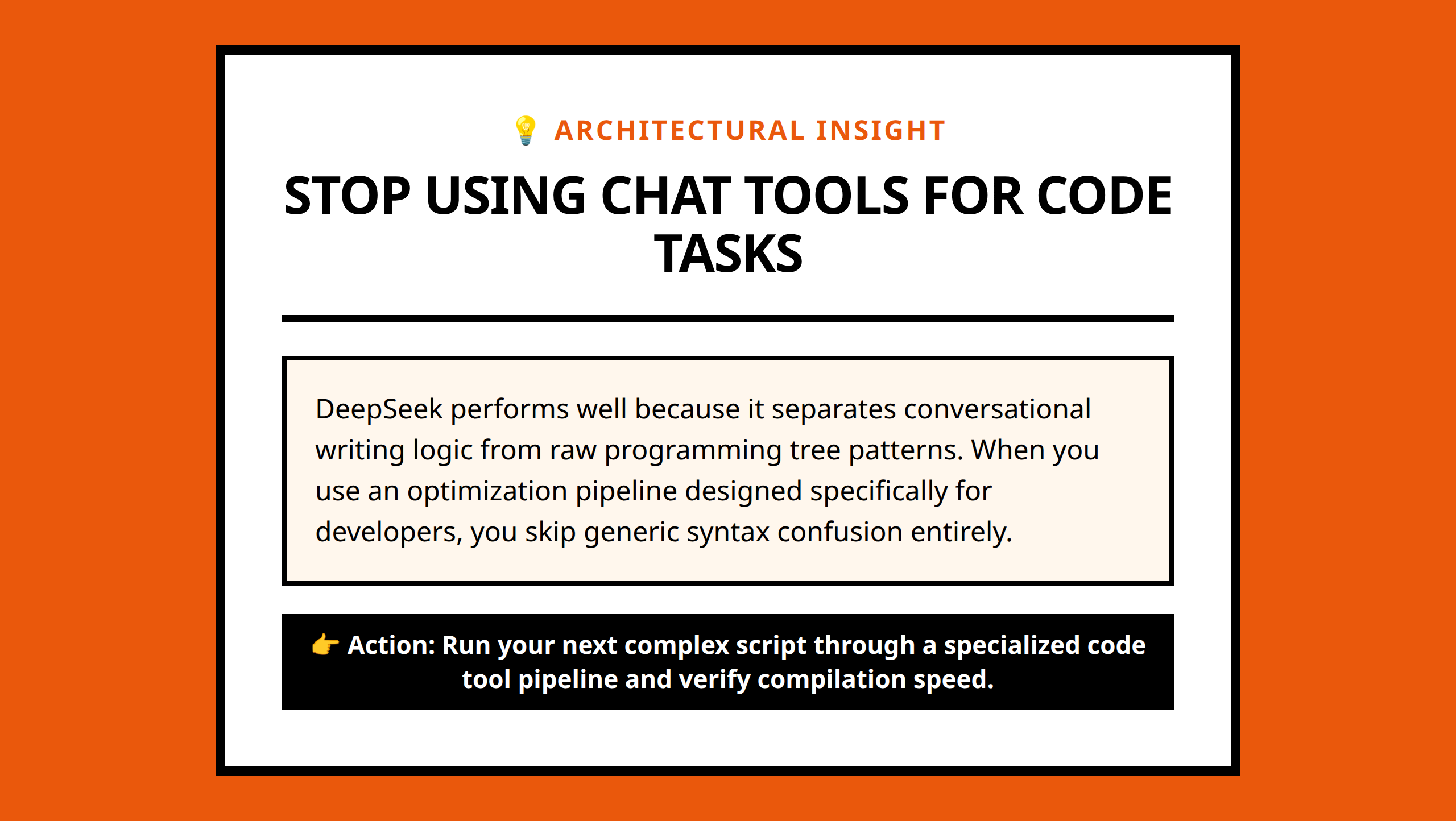
DeepSeek addresses this gap directly. Its model architecture, dataset focus, and tuning prioritize code logic, variable usage, and syntax correctness. This means that developers experience fewer errors, more precise function definitions, and better inline suggestions than with typical LLMs.
The Limitations of General-Purpose LLMs for Python Tasks
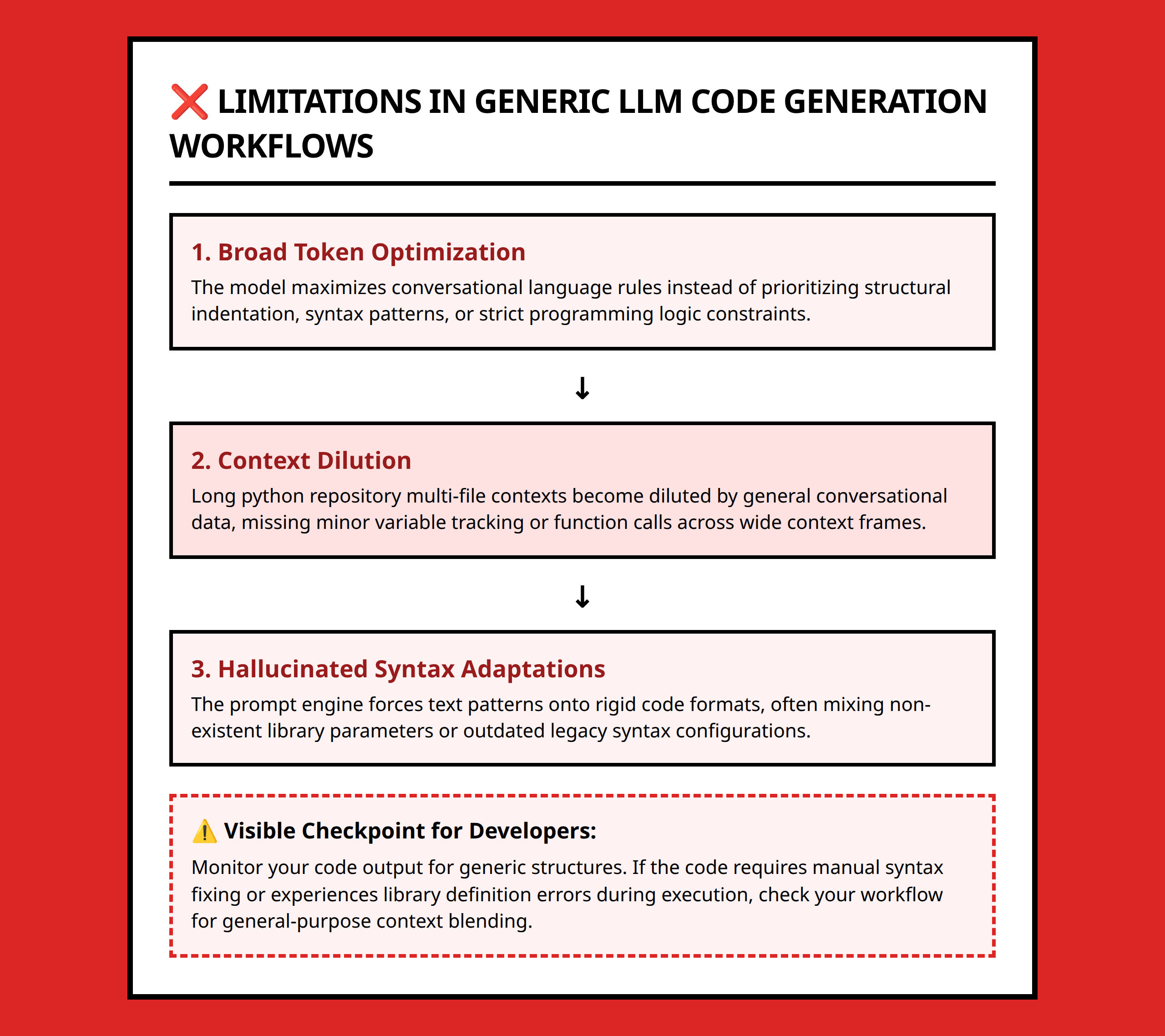
In my experience, the main problem with generic LLMs is their emphasis on natural language rather than structured programming language. For instance, asking a general-purpose model to write a Python function often produces extra comments, inconsistent indentation, or even logical errors. While the text might read correctly in English, it can fail to execute properly in a Python environment.
This leads to a frustrating workflow: you spend as much time debugging the AI’s output as you do writing code yourself. For someone trying to prototype quickly or learn Python interactively, this inefficiency adds up.
How DeepSeek Optimizes for Python Workflow
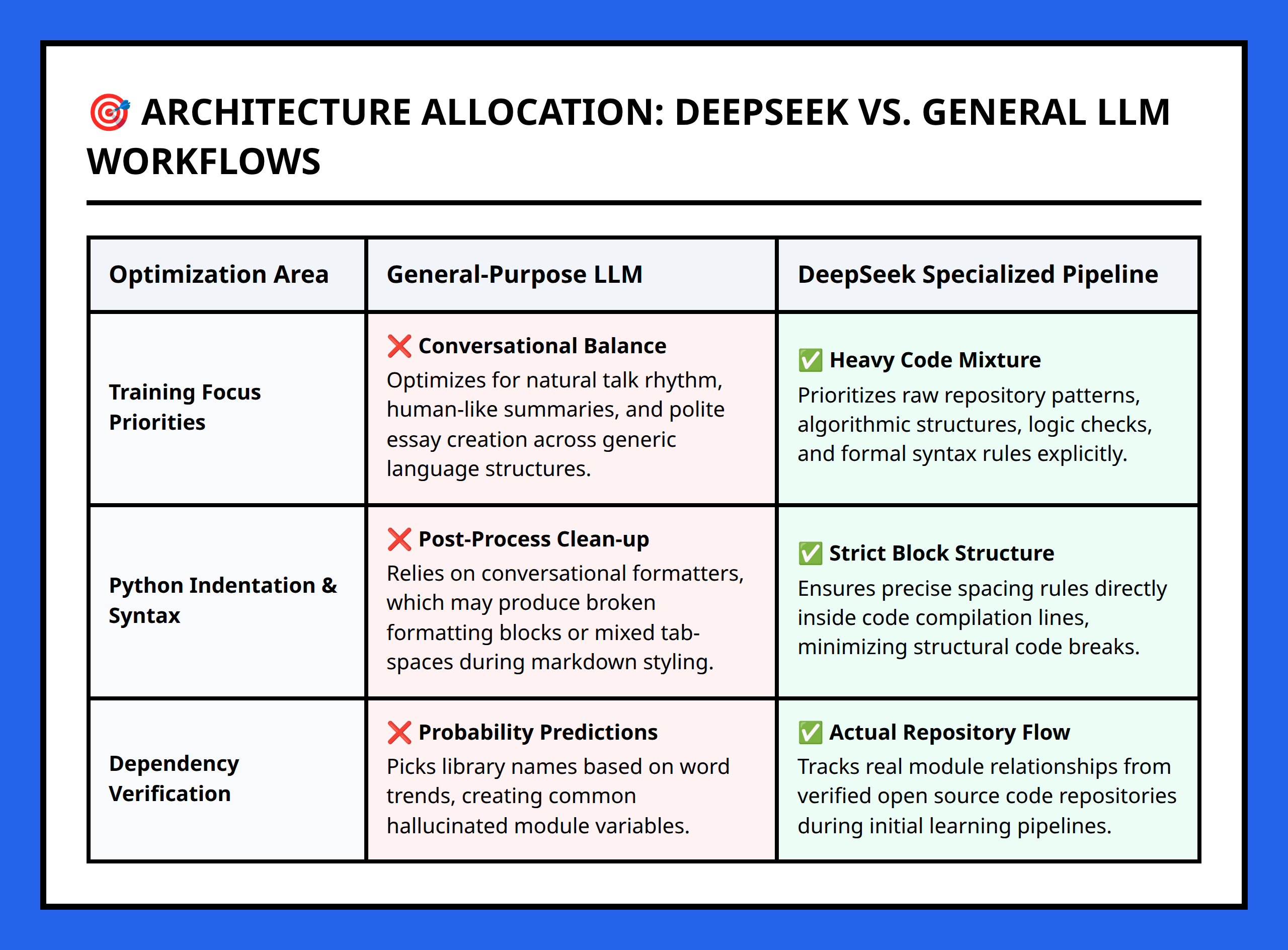
DeepSeek is trained and fine-tuned with Python-specific patterns in mind. Its architecture allows it to recognize common coding structures, idioms, and libraries. I’ve found that its output often requires minimal edits, whether generating small utility functions or more complex data manipulation routines.
For example, when asking DeepSeek to produce a list comprehension with conditional filtering, it consistently produces valid Python code. I can immediately copy and run it in my environment without manual adjustments. This is not trivial—many general LLMs produce subtle errors in such scenarios.
Benchmarks and Performance Indicators
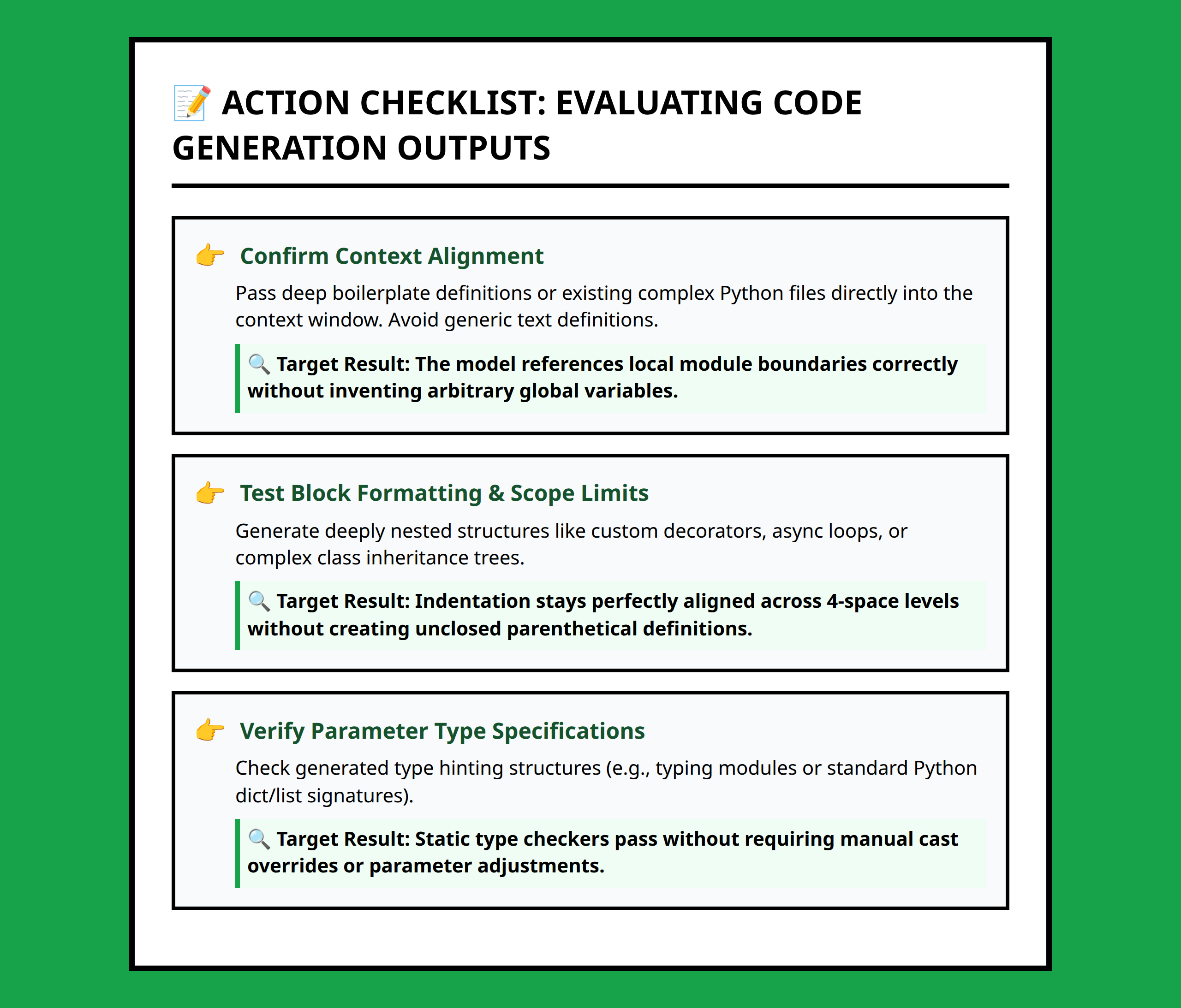
DeepSeek’s performance isn’t just anecdotal. Benchmarks indicate that its Python-focused outputs outperform baseline general LLMs in both accuracy and execution correctness. I’ve used these results as a guide when choosing which model to integrate into my local coding assistant workflow.
From my perspective, these benchmarks are more than numbers—they reflect fewer bugs, faster iteration cycles, and reduced cognitive overhead. Each line of code the model generates correctly saves time that would otherwise be spent debugging or restructuring outputs from a generic model.
Practical Implications for Developers
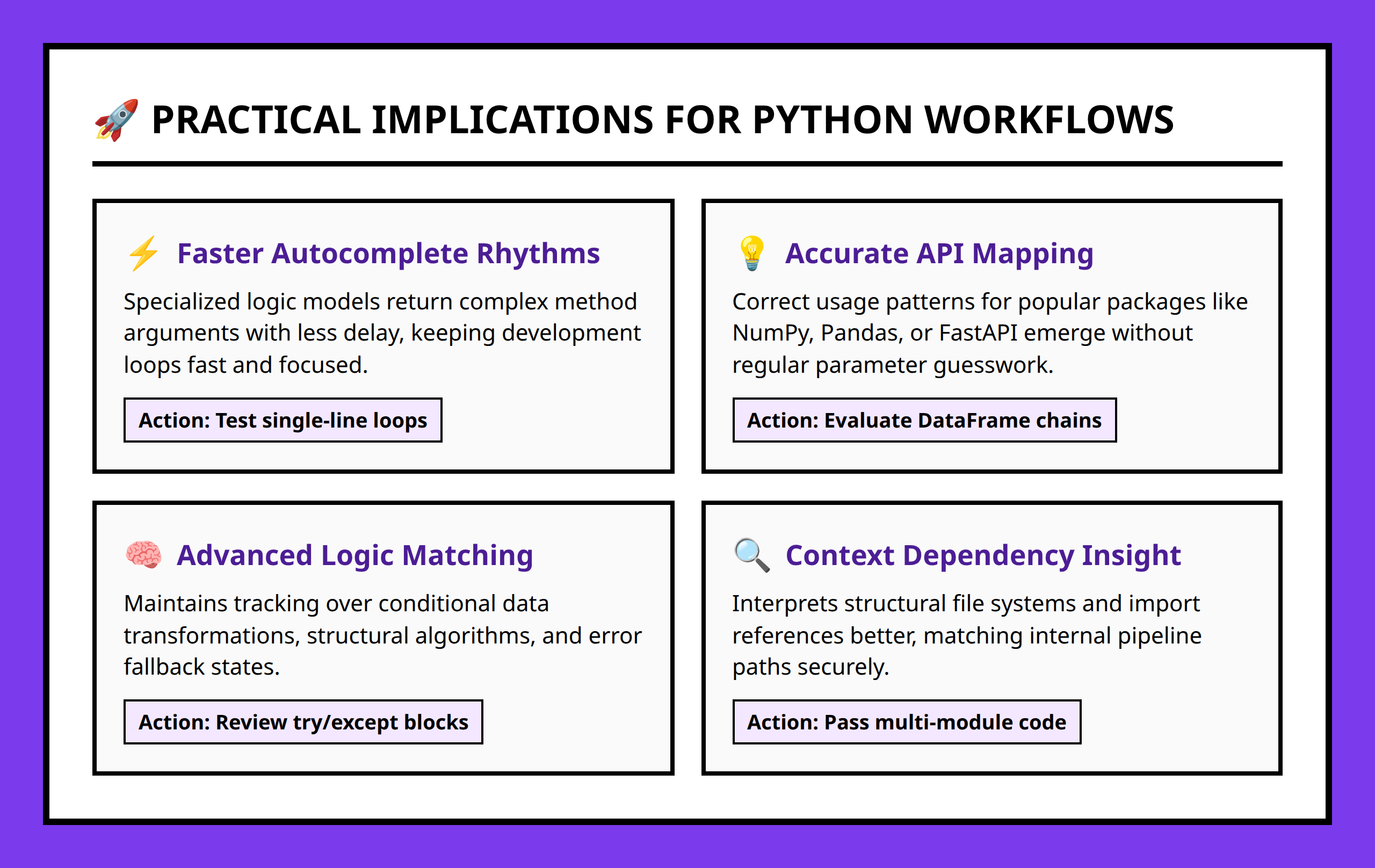
Understanding DeepSeek’s strengths has changed how I approach coding tasks with AI. Instead of using a general LLM for all prompts, I reserve DeepSeek for Python code generation. This ensures efficiency, reliability, and cleaner integration into development environments.
Developers seeking AI-assisted coding should consider workflow fit as much as model size or novelty. DeepSeek exemplifies how a model optimized for a specific domain—in this case, Python coding—can deliver practical benefits that generic models simply cannot match.
In practice, this means fewer interruptions, higher quality code, and a more fluid development experience, allowing me to focus on solving real problems rather than correcting AI mistakes.
References:
- https://nebius.com/blog/posts/deepseek-v3-vs-other-llms
- https://www.reddit.com/r/LocalLLaMA/comments/1i9txf3/deepseek_is_way_better_in_python_code_generation/
- https://www.reddit.com/r/ChatGPTPro/comments/1idg8up/deepseek_r1_is_ass_compared_to_o1_for_coding_at/
- https://www.reddit.com/r/LocalLLaMA/comments/1agr9qo/any_coding_llm_better_than_deepseek_coder/
- https://www.sciencedirect.com/science/article/pii/S0925231225021332
- https://sh-tsang.medium.com/brief-review-deepseek-coder-when-the-large-language-model-meets-programming-the-rise-of-code-7e87d75ae8a6
- https://emergent.sh/learn/deepseek-r1-vs-v3
- https://www.researchgate.net/publication/389391568_ChatGPT_vs_DeepSeek_A_Comparative_Study_on_AI-Based_Code_Generation
- https://arxiv.org/html/2502.14926v3
- https://www.linkedin.com/posts/robertmanson_have-you-run-any-code-generated-by-deepseek-r1-activity-7289759940825530369-ud9v
- https://www.aiu.edu/innovative/exploring-the-power-and-potential-of-deepseek-r1-in-computer-use-ai-agents/
- https://sneos.com/share/2026-04-12-deepseek-vs-claude-for-coding-4024
- https://github.com/DeepSeek-ai/DeepSeek-Coder
- https://www.sonarsource.com/resources/library/llm-code-generation/