Relational trauma does more than create painful memories. It can train the body to stay guarded, disconnected, hypervigilant, or emotionally shut down long after the original danger has passed.
One thing that changed how I think about trauma is realizing that many reactions people judge as “overreacting” are actually protective nervous system responses. The body is trying to prevent pain before the mind fully understands what is happening.
That perspective matters because people recovering from relational trauma often blame themselves for behaviors that once helped them survive. Emotional numbness, distrust, shutdown, panic, people-pleasing, or fear of closeness usually did not appear randomly. They developed because the body learned that connection could become dangerous.
The Nervous System Prioritizes Safety Before Connection
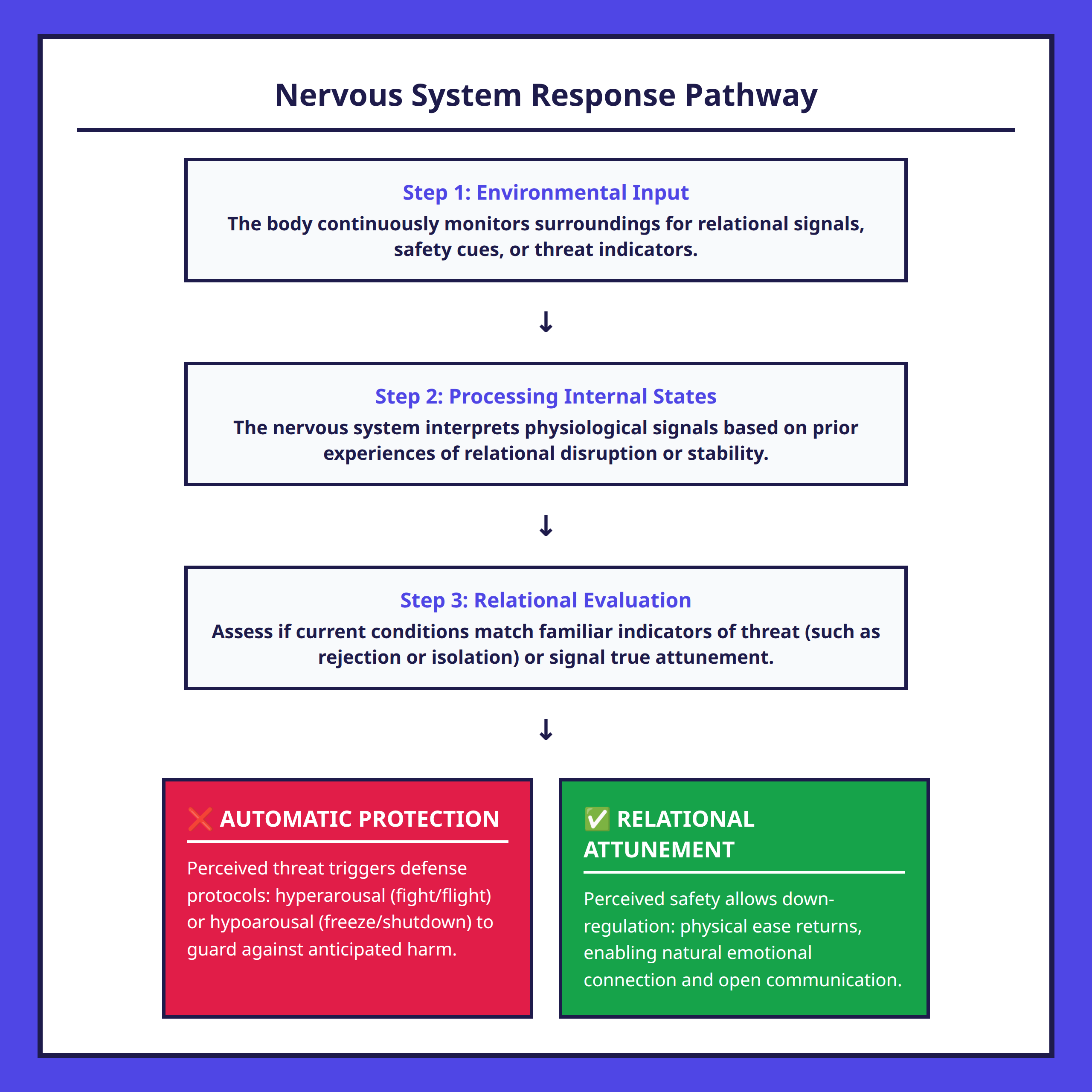
The body is designed to protect survival first. Emotional attunement only becomes possible when the nervous system feels relatively safe.
That sounds simple, but I think it explains a huge number of relationship struggles. People often try to force communication, intimacy, vulnerability, or emotional openness without recognizing that their nervous system is still operating as if danger is nearby.
When trauma is present, the body learns to stay alert.
This can show up as:
- constantly scanning for rejection or conflict
- difficulty relaxing around others
- emotional shutdown during intimacy
- hypervigilance to tone changes or facial expressions
- physical tension even in safe environments
- feeling emotionally detached from the present moment
I would pay attention to how physical these reactions often are. Many people try to solve trauma purely through logic while their body remains stuck in protection mode.
A person may intellectually know their partner is safe while still feeling physically anxious during emotional closeness. That disconnect between logic and body response is extremely common after relational trauma.
Why Trauma Often Creates Emotional Disconnection
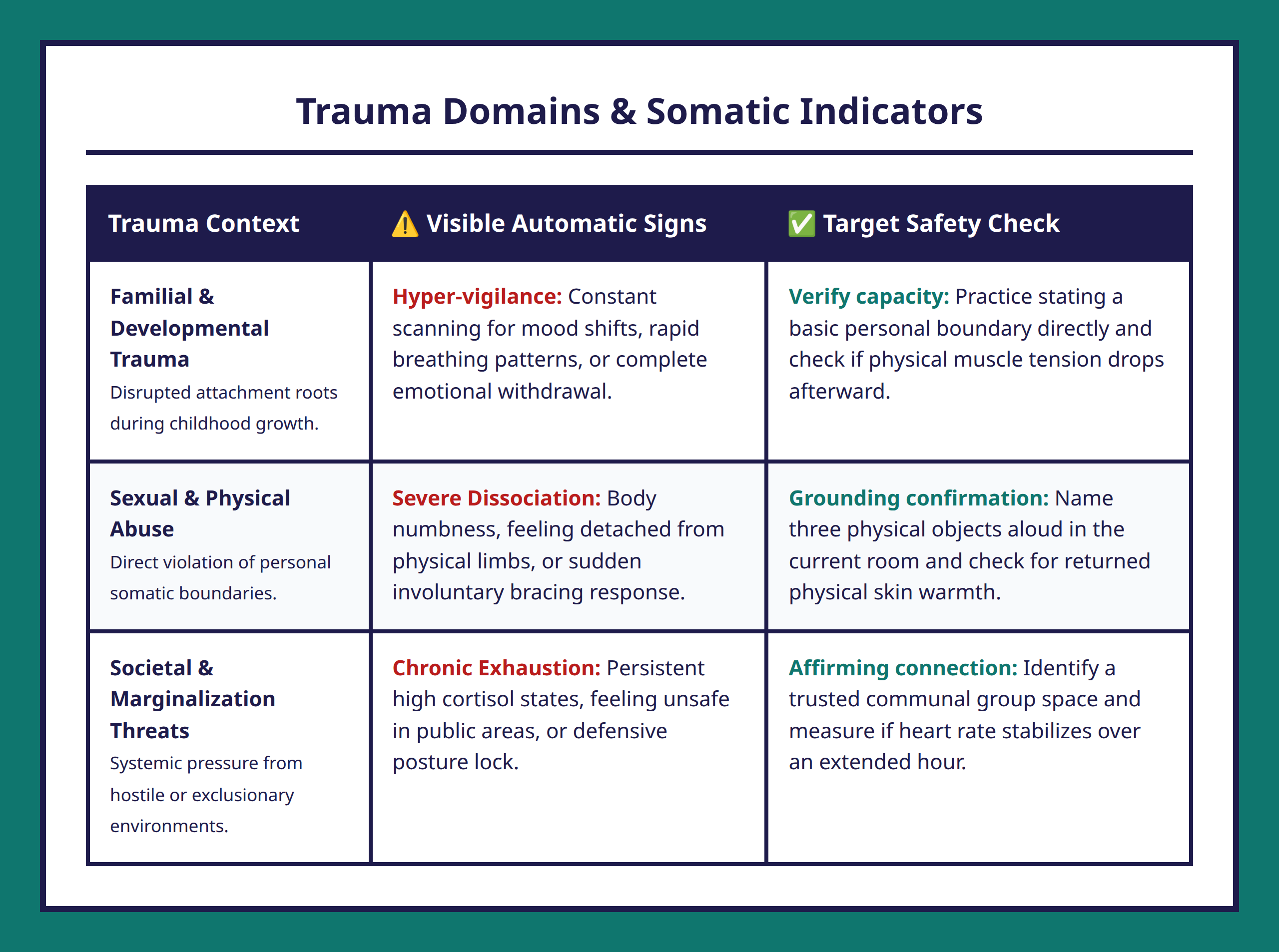
Relational trauma frequently teaches people that vulnerability carries risk.
If someone experienced emotional invalidation, abuse, abandonment, humiliation, harsh criticism, or fear inside important relationships, the nervous system adapts by limiting openness.
In many cases, emotional disconnection becomes a form of self-protection.
I think this is important because people often misunderstand trauma responses as personality traits. Someone may describe themselves as “cold,” “too independent,” “bad at relationships,” or “emotionally unavailable” when their nervous system is actually trying to prevent further emotional injury.
A realistic example might look ordinary from the outside. Someone goes quiet during conflict, avoids difficult conversations, or leaves emotionally intense situations quickly. Their partner may interpret it as indifference. But internally, the body may already feel overwhelmed and unsafe.
The nervous system does not always distinguish between past danger and present discomfort. It reacts to emotional similarity.
Sexual Trauma Often Changes the Body’s Relationship With Safety
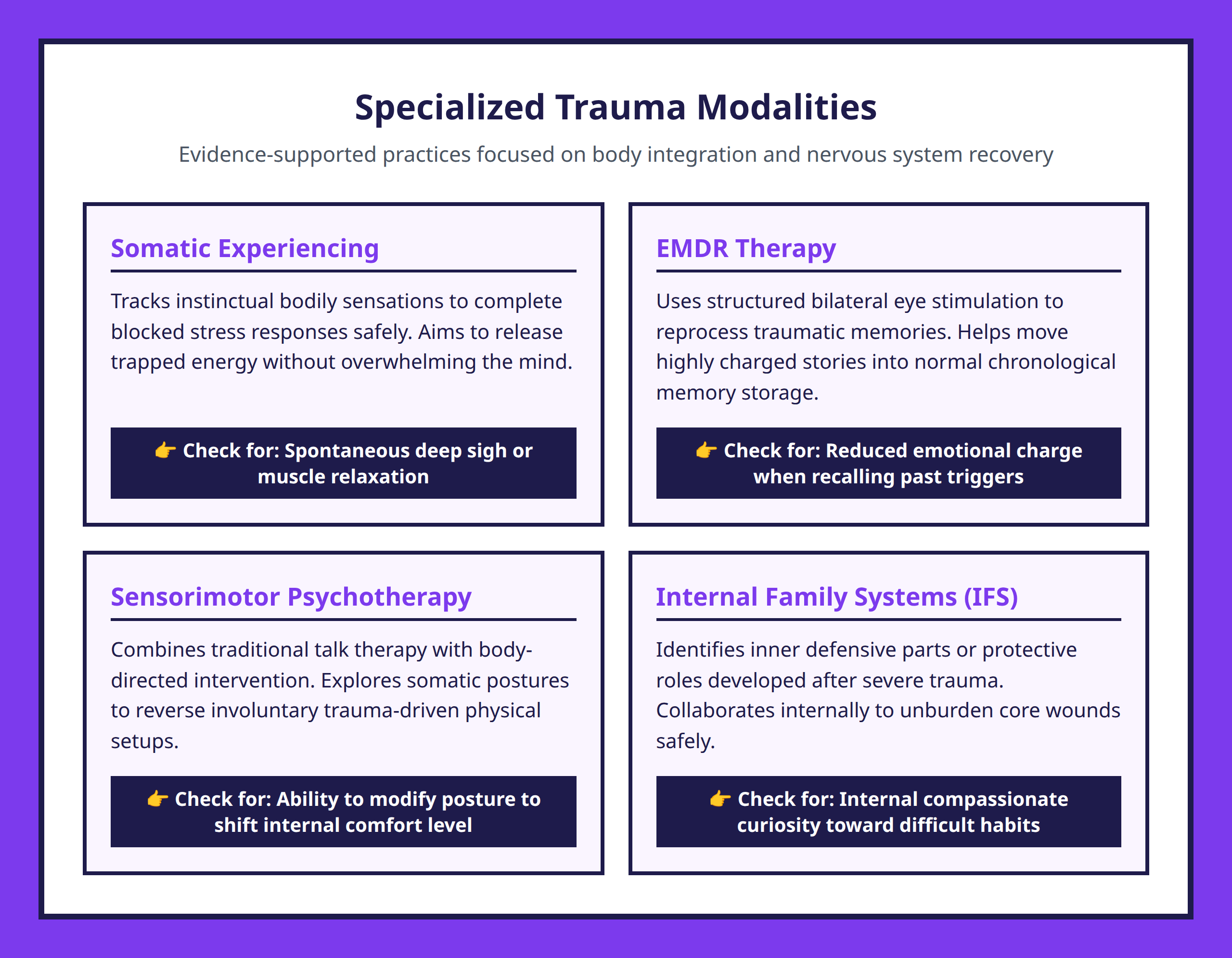
Sexual trauma can create especially deep disruptions in emotional and physical attunement.
When someone experiences violations involving bodily autonomy, the body often learns to associate closeness, touch, vulnerability, or intimacy with danger.
This can create reactions that feel confusing later in life:
- physical closeness triggering anxiety
- feeling emotionally detached during intimacy
- difficulty trusting affection
- feeling unsafe even in consensual relationships
- hypervigilance during physical touch
What stands out to me is that survivors often judge themselves harshly for these reactions. But many of these responses make complete sense when viewed as protective adaptations.
The body learned to stay guarded because guarding once increased survival.
That does not mean healing is impossible. It means healing must involve helping the nervous system experience safety again rather than forcing vulnerability before the body is ready.
Familial Trauma Can Make Harm Feel Normal
One of the hardest parts of relational trauma is that unhealthy dynamics often become emotionally familiar.
In families shaped by yelling, emotional unpredictability, harsh discipline, silence, criticism, blurred boundaries, or chronic instability, people may grow up believing those dynamics are normal connection patterns.
I think this explains why some adults repeatedly enter relationships that recreate emotional pain they already know.
Familiarity can feel safer than emotional unfamiliarity, even when the familiar pattern is unhealthy.
Someone who grew up around criticism may feel suspicious of gentle relationships. Someone raised in emotional chaos may feel restless in stable relationships because their nervous system learned to associate unpredictability with attachment.
This is why healing often feels uncomfortable at first. Safety itself can feel unfamiliar.
Marginalization and Chronic Threat Also Affect Attunement
Relational trauma is not limited to individual family experiences. Chronic exposure to unsafe environments, discrimination, policing, social hostility, or fear-based survival can also keep the nervous system in protection mode.【11†source】
The body cannot easily relax when it has repeatedly learned that danger may appear without warning.
I appreciate this perspective because it expands trauma beyond private family stories. Some people struggle with emotional attunement not because they are resistant to connection, but because their body learned that staying guarded increased safety in the environments they had to navigate.
That distinction matters. It replaces moral judgment with context.
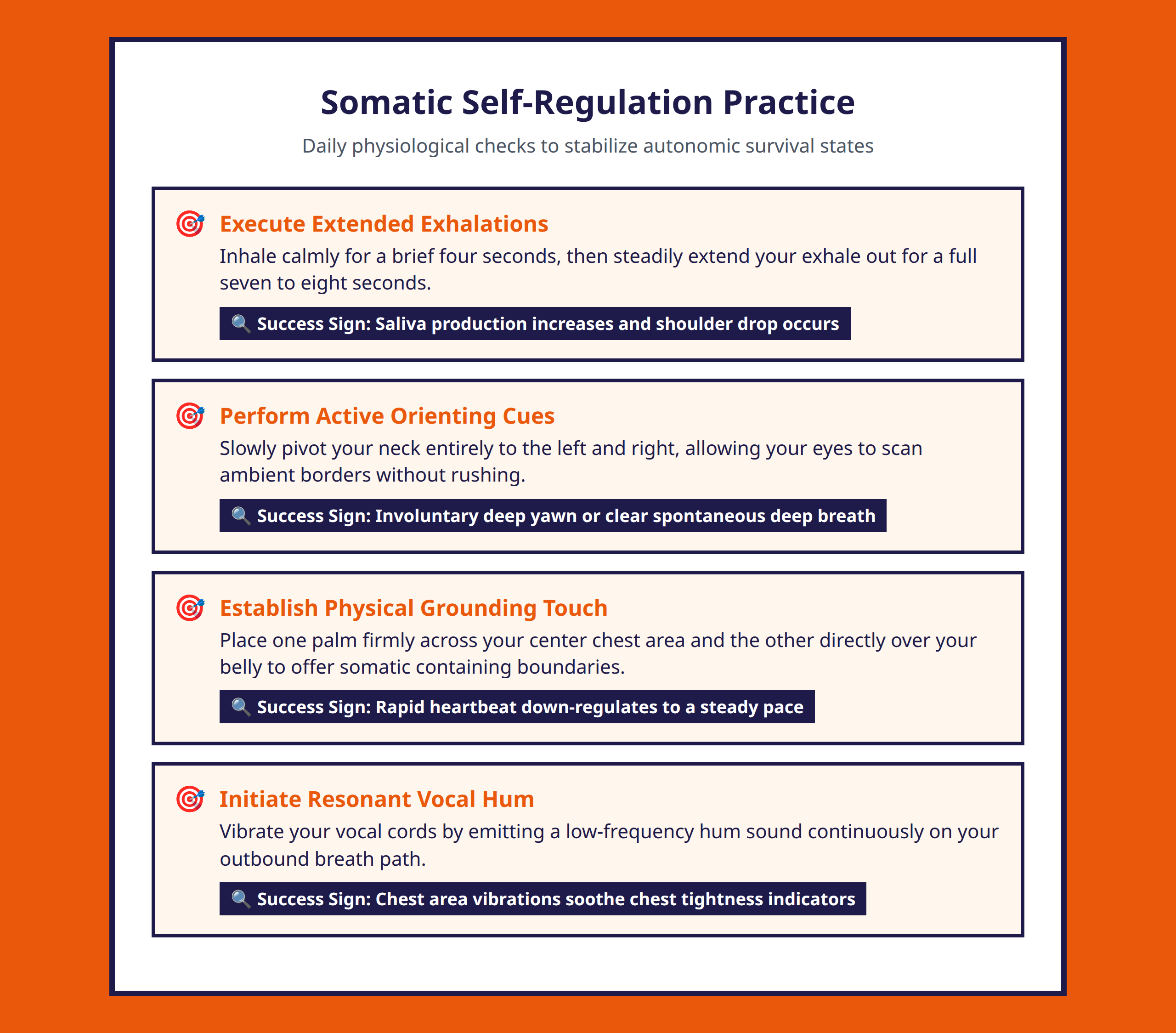
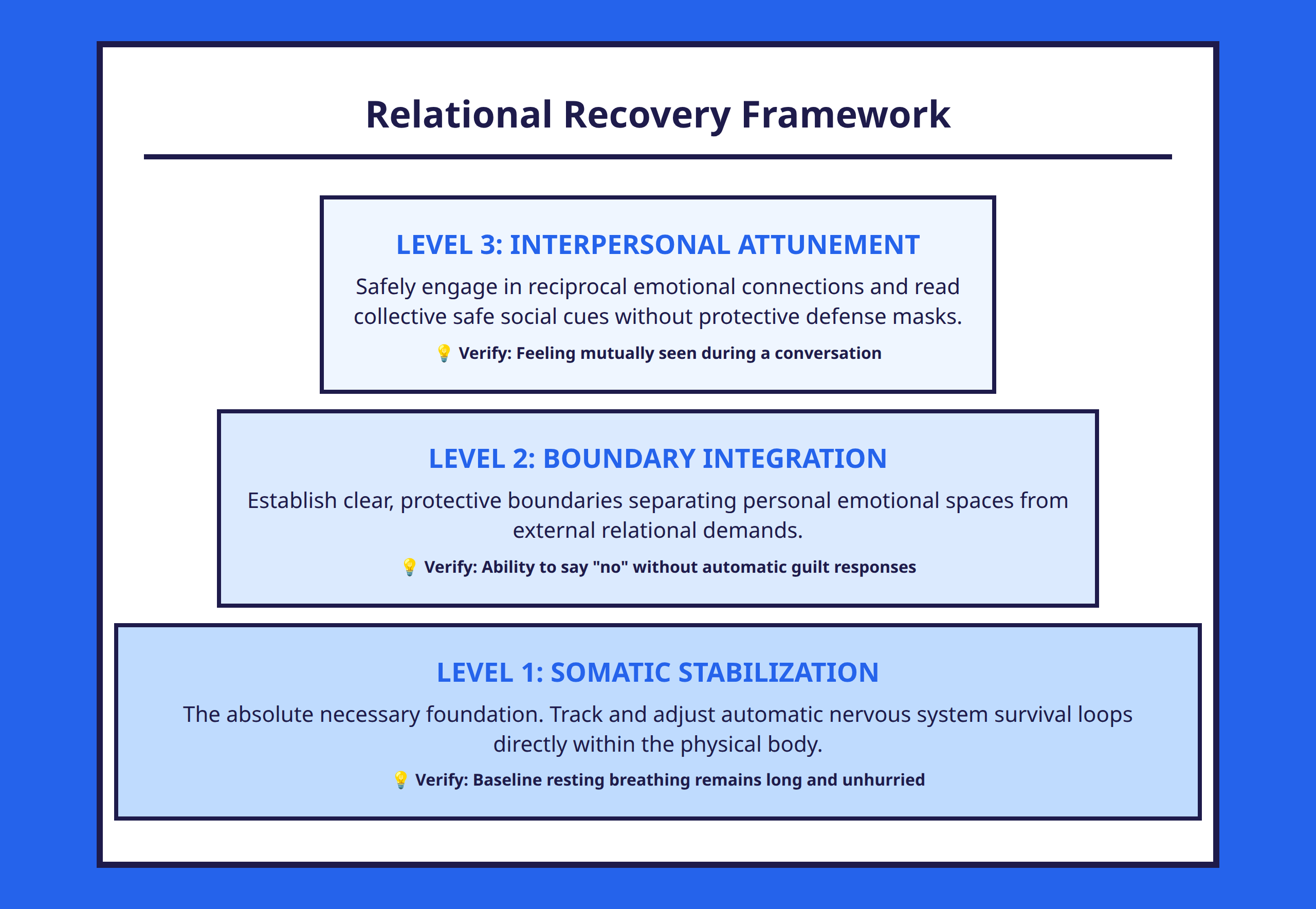
Healing Starts When the Body Experiences Small Moments of Safety
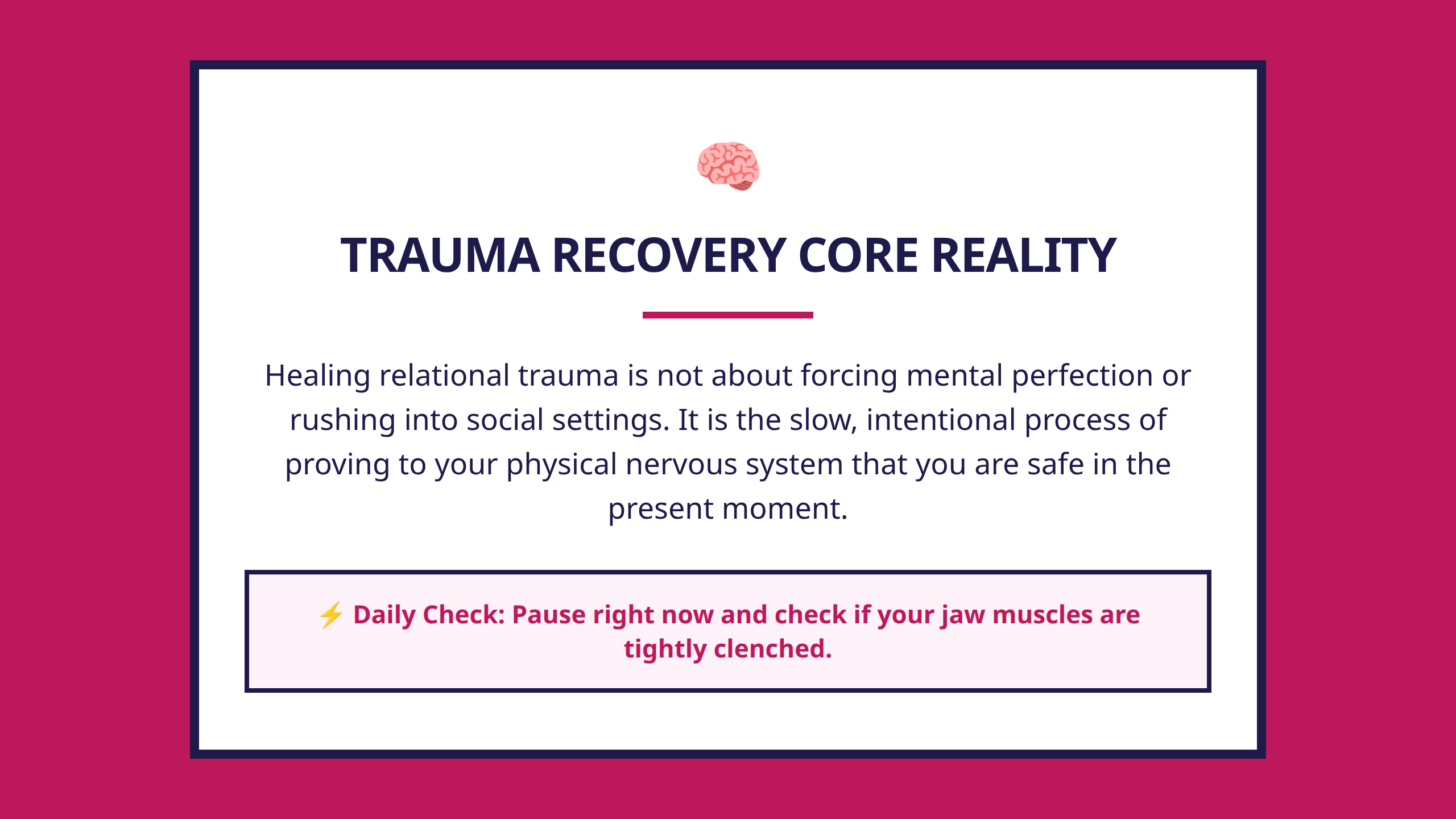
I do not think healing usually begins with massive emotional breakthroughs. More often, it starts through small experiences of regulated safety repeated consistently over time.
That may include:
- being listened to without judgment
- learning to stay present during discomfort
- allowing safe physical closeness gradually
- practicing emotional expression without shame
- recognizing triggers before reacting automatically
- building relationships where repair is possible after conflict
The nervous system changes through repetition. A single safe experience may feel meaningful, but repeated safe experiences begin creating new expectations around connection.
I would not rush this process. Trauma recovery often becomes harder when people pressure themselves to “heal correctly” or perform emotional openness before their body feels ready.
Why Somatic Healing Approaches Matter
Because trauma lives partly in the nervous system and body responses, many people benefit from healing approaches that involve more than verbal insight alone.
Several trauma-focused modalities are especially relevant here:
- Somatic experiencing, which helps people notice and regulate bodily stress responses
- EMDR, which supports trauma processing through bilateral stimulation and memory integration
- Sensorimotor psychotherapy, which focuses on physical responses connected to trauma
- Internal Family Systems (IFS), which explores protective emotional parts and internal conflict
- Equine-assisted psychotherapy, which can help rebuild safety, regulation, and relational trust
I would be careful not to treat these approaches like quick fixes. The point is not to erase difficult memories instantly. The point is helping the nervous system stop reacting as if the danger is still actively happening.
The Goal Is Not Constant Calmness
I think people sometimes misunderstand healing as becoming endlessly calm, emotionally open, or unaffected by triggers.
That is not realistic.
The more meaningful shift is learning how to recognize protective reactions without becoming fully controlled by them. Healing often looks like noticing fear sooner, recovering from emotional activation faster, setting boundaries more clearly, and staying connected to the present moment instead of disappearing into survival responses.
What matters most to me is this: many trauma responses once protected someone intelligently. The problem is not that the nervous system adapted. The problem is when those protective patterns continue running automatically inside relationships that are no longer dangerous.
The body learned those responses through experience, which means new experiences of safety, repair, and emotional attunement can slowly teach it something different.
References:
- https://gentlemind.com.sg/2025/10/18/relational-trauma-and-healing/
- https://balancedawakening.com/blog/understanding-amp-healing-from-relational-trauma
- https://aspacebetween.com.sg/articles/hurting-and-healing-from-relational-trauma-where-to-begin/
- https://www.newportinstitute.com/resources/mental-health/the-mind-body-connection/
- https://www.psychologytoday.com/sg/blog/rhythms-of-recovery/202505/understanding-traumas-impact-on-your-mind-and-body
- https://www.youtube.com/watch?v=JUHMSrJrjss
- https://www.youtube.com/watch?v=HdP6winompg
- https://www.youtube.com/watch?v=vJf9zx1V22U
- https://www.helpguide.org/mental-health/ptsd-trauma/coping-with-emotional-and-psychological-trauma
- https://cptsdfoundation.org/2022/11/14/treating-complex-relational-trauma/
- https://www.charliehealth.com/areas-of-care/trauma/how-to-heal-from-relationship-trauma
- https://www.reddit.com/r/AvoidantBreakUps/comments/1n1eqn0/healing_from_a_trauma_bond_the_brutal_truth_and/
- https://www.reddit.com/r/CPTSD/comments/12z3i6p/the_paradox_of_trauma_recovery_you_need_support/
- https://www.quora.com/What-are-some-practical-steps-to-heal-from-relationship-trauma-without-professional-help
- https://www.bridgestorecovery.com/blog/6-tools-for-recovering-from-relational-trauma/
- https://www.amenclinics.com/blog/healing-emotional-trauma-the-brain-based-approach/